

Classic blue (#0000FF) quickly looks like a standard template or “office design”. In 2025, modern websites will increasingly rely on differentiated shades of blue that look professional, digital and yet fresh.
In this article, we present five modern alternatives to blue: #1D4ED8, #2563EB, #3B82F6, #60A5FA and #1E40AF. You’ll find out how the colors work, what they’re suitable for and how you can combine them with other shades.
If you want to plan your complete color scheme, be sure to check out our guide ” Color Scheme Guide: Colors for Your Website 2025” and the article ” Website Colors & Psychology: Meaning 2025” .
#1D4ED8 – Digital Blue for serious web presences

Effect: serious, digital, trustworthy
Ideal for: Corporate websites, agencies, consultancies, IT & SaaS
#1D4ED8 is a strong digital blue that looks more serious and modern than pure #0000FF. It conveys trust, stability and professionalism – perfect for companies that want to appear digital but not playful.
The color works very well in headers, navigations and as a primary color for buttons or brand elements. In combination with plenty of white space and clear typography, it creates a high-quality, contemporary look.
BSC tip: Use #1D4ED8 as the central brand color and combine it with light backgrounds. This makes your website look modern, clear and very professional at the same time.
Combination tips:
- Very light gray for surfaces(#F3F4F6)
- Pure white for content areas(#FFFFFF)
- Dark slate for texts(#111827)
- A lighter blue for hover states(#3B82F6)
#2563EB – Bright Royal Blue for strong accents

Effect: powerful, modern, dynamic
Ideal for: UI/UX design, buttons, links, digital products
#2563EB is a lighter, very present Royal Blue that is perfect for high-click elements. The tone appears more modern and friendly than standard hard blue, yet remains clear and professional.
Bright Royal Blue is ideal for call-to-action buttons, navigation and interactive elements, especially in interfaces, dashboards or landing pages.
BSC tip: Use #2563EB for all primary calls to action and links. This creates a clear visual system that users quickly understand.
Combination tips:
- Very light gray/white tones for surfaces(#F9FAFB, #FFFFFF)
- Dark gray for text(#111827)
- Soft blue for background elements(#DBEAFE)
- Fine accents in cyan(#22D3EE)
#3B82F6 – Soft Sky Blue for friendly interfaces
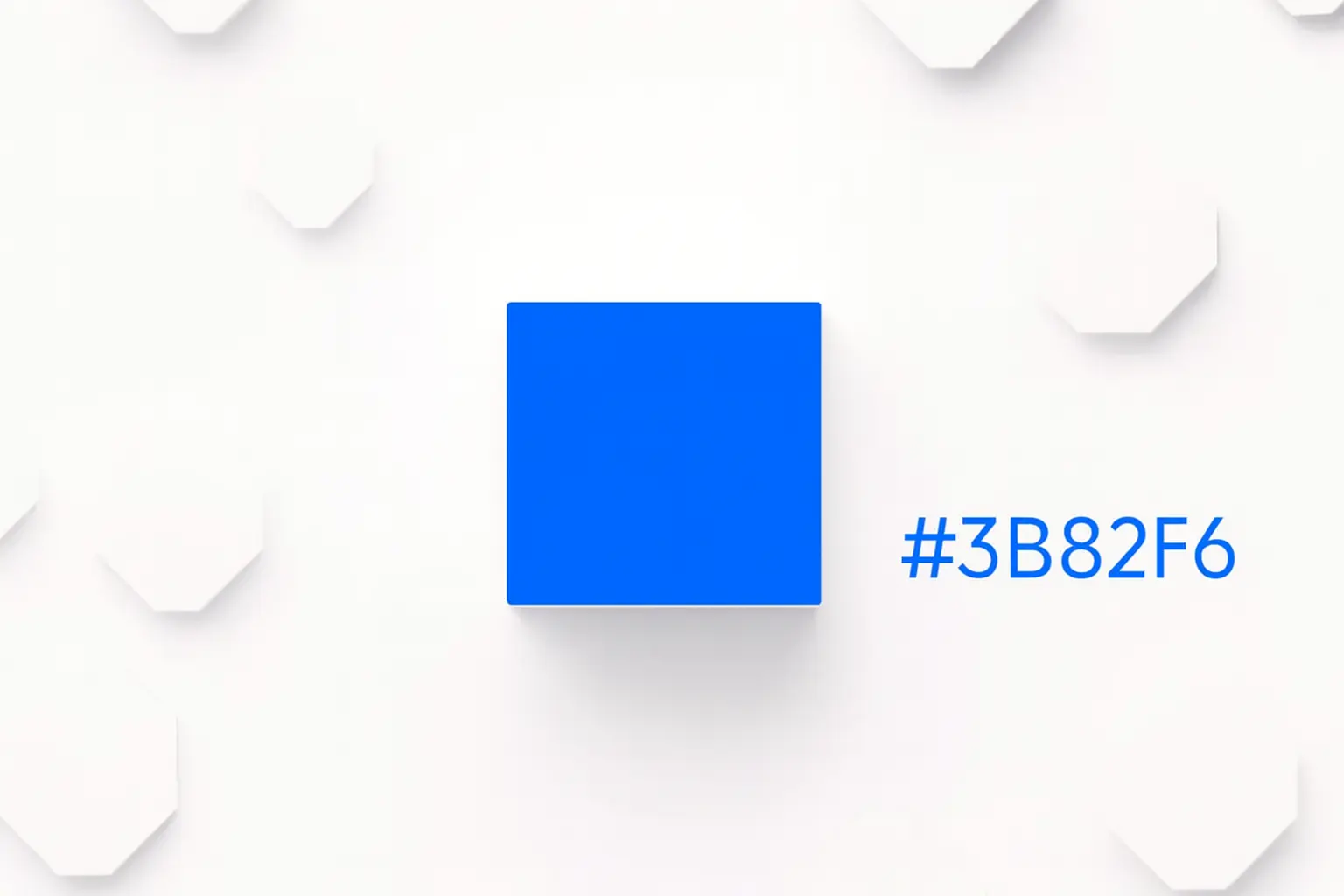
Effect: bright, friendly, techy
Ideal for: Landingpages, SaaS, Tools, Education & Platforms
#3B82F6 is a light sky blue shade that looks modern and accessible. Especially in tech, SaaS and education, this color creates a friendly, inviting interface – without being too playful.
Soft Sky Blue is suitable for backgrounds in sections, illustrations, icons and secondary buttons that should be less “pushy” than the main CTA.
BSC tip: Use #3B82F6 generously for background areas and illustrations and use the darker blue tones (#1D4ED8 / #2563EB) for headlines and CTAs.
Combination tips:
- Very subtle light blue for large areas(#EFF6FF)
- Dark text(#0F172A)
- Accents in bright blue(#2563EB)
- Light gray for UI elements(#E5E7EB)
#60A5FA – Light Modern Blue for light layouts
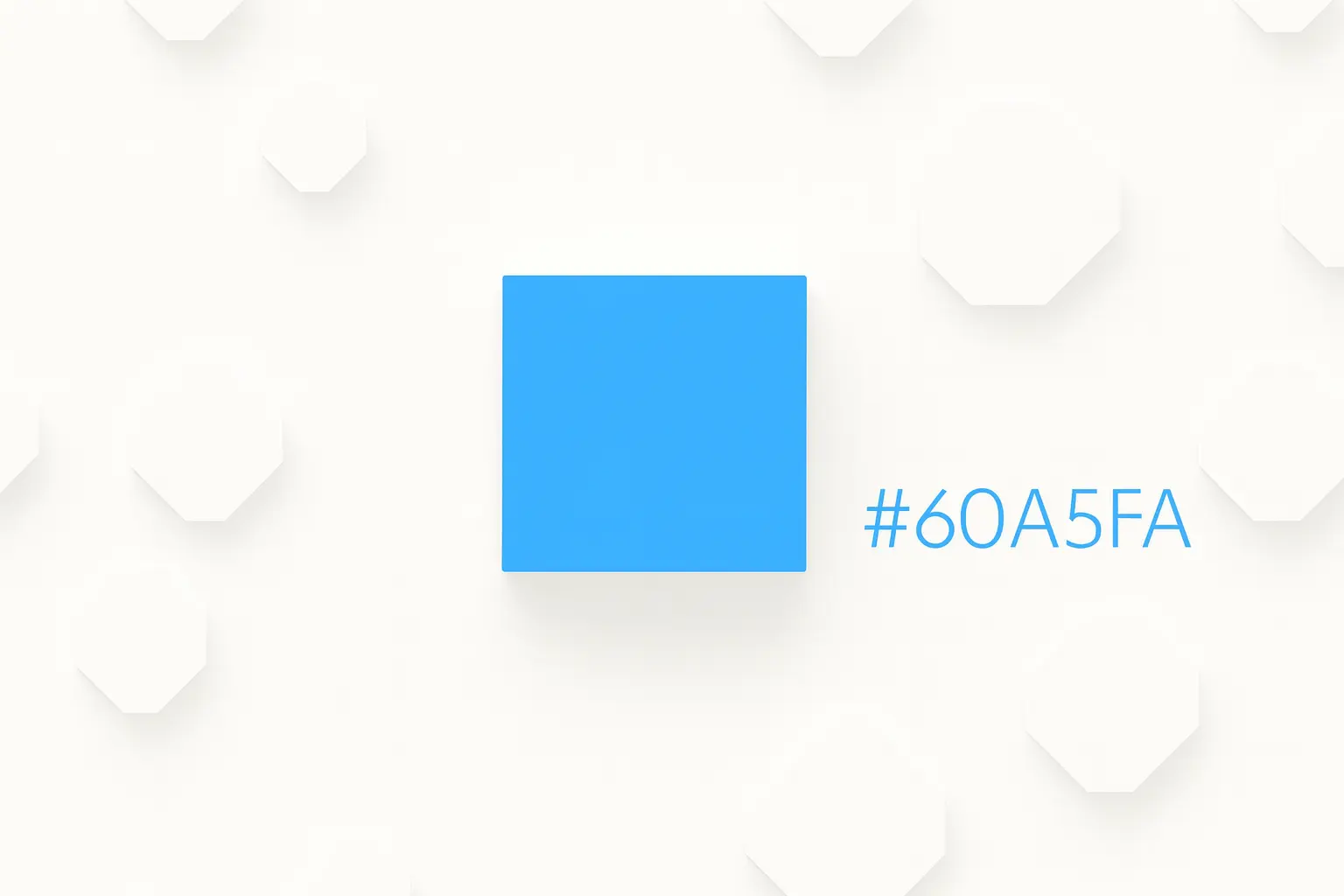
Effect: light, fresh, friendly
Ideal for: Backgrounds, Light-UI, Cards, Boxes, Sections
#60A5FA is a bright, modern blue that is perfect for large backgrounds and light UI components. It keeps the design airy and modern without making the page look too white and “empty”.
The shade can be combined very well with darker shades of blue for contrasts and offers a pleasant middle ground between classic blue and pastel blue.
BSC tip: Use #60A5FA in panels, cards and sections to slightly emphasize areas without appearing hard – ideal for features, benefits or info boxes.
Combination tips:
- Very light blue for a subtle background(#EFF6FF)
- Dark blue or navy for headlines(#1D4ED8, #1E40AF)
- White for content areas(#FFFFFF)
- Soft gray for frames and lines(#D1D5DB)
#1E40AF – Deep Navy Blue for premium branding
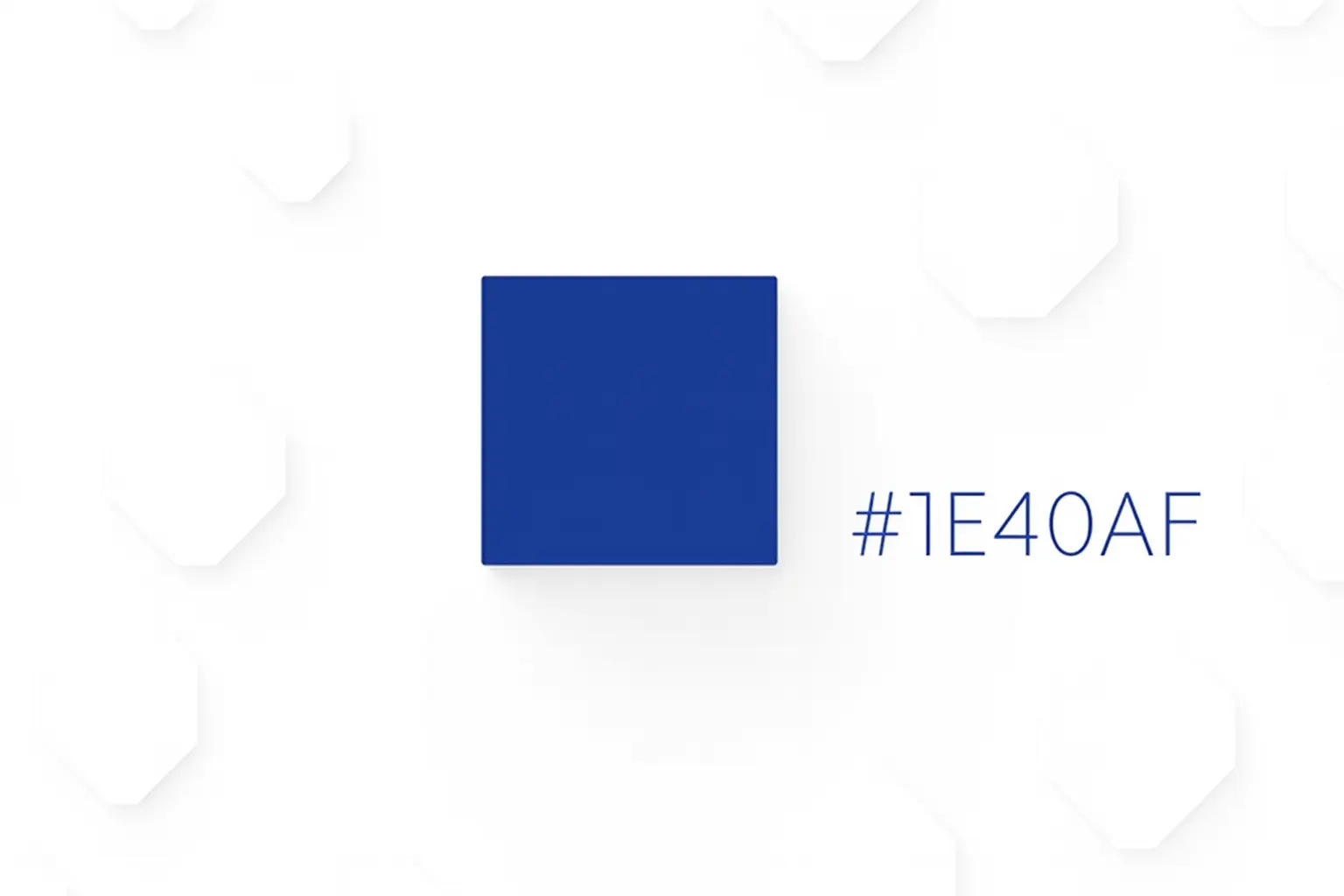
Effect: classy, serious, high-quality
Ideal for: Premium brands, corporate design, financial & legal sector
#1E40AF is a deep navy blue that is ideal for high-quality, serious brand appearances. It looks more mature and understated than standard blue and can replace black in many cases.
The color is suitable for headers, footers, navigation bars, backgrounds of hero sections and as a central brand color in logos and key visuals.
BSC tip: If you want a serious but not boring corporate website, combine #1E40AF with lots of white space, fine lines and a lighter blue for accents.
Combination tips:
- Pure white for contrast(#FFFFFF)
- Lighter shades of blue for accents(#3B82F6, #60A5FA)
- Warm-neutral tones as a balance(#F3F4F6)
- Dark gray for text(#111827)
Conclusion: The 5 best alternatives to blue (#0000FF)
Instead of hard standard blue, in 2025 you can opt for modern shades of blue that better suit your brand and target group:
- #1D4ED8 – Digital Blue: serious, digital, ideal for corporate design.
- #2563EB – Bright Royal Blue: strong, perfect for CTAs and UI elements.
- #3B82F6 – Soft Sky Blue: friendly, modern, ideal for interfaces.
- #60A5FA – Light Modern Blue: light, fresh, perfect for backgrounds.
- #1E40AF – Deep Navy Blue: classy, serious, ideal for premium brands.
FAQ: Alternatives to classic blue in web design
Why should I stop using #0000FF?
#0000FF quickly looks like “standard internet blue” and is reminiscent of very old web designs. Modern blue tones such as #1D4ED8 or #2563EB are easier to read, more professional and fit in with current UI trends.
Which shades of blue are best for buttons?
For primary CTAs, #2563EB (Bright Royal Blue) and #1D4ED8 (Digital Blue) are particularly suitable. They stand out, look modern and can be combined well with light backgrounds.
Which shade of blue is good for backgrounds?
#3B82F6 and #60A5FA are ideal for light, friendly backgrounds or panels. In combination with white and dark text, your layouts will look airy and modern.
How do I choose the right blue alternative for my brand?
Think about whether your brand should appear serious, dynamic, friendly or very high-quality. Digital Blue and Deep Navy are ideal for serious brands, while Bright Royal Blue and Soft Sky Blue are more suitable for dynamic, modern brands.